
Compare polyurethane vs ceramic hydrocyclone liners for mineral processing. Learn wear resistance, cost analysis, and selection criteria for your operation.
Article Introduction: Choosing the right hydrocyclone liner material is critical for plant efficiency. Ceramic liners (Mohs 9.1-9.5) deliver 2-4× longer wear life than polyurethane in high-abrasion applications. However, polyurethane liners (85-95 Shore A) offer superior impact resistance at 40-80% lower cost. The best choice depends on your ore's abrasiveness index (Ai). Ai < 0.8 → Polyurethane. Ai > 1.2 → Silicon carbide required. Total cost of ownership must include downtime costs, not just liner price. Composite liners combining both materials are the fastest-growing solution.

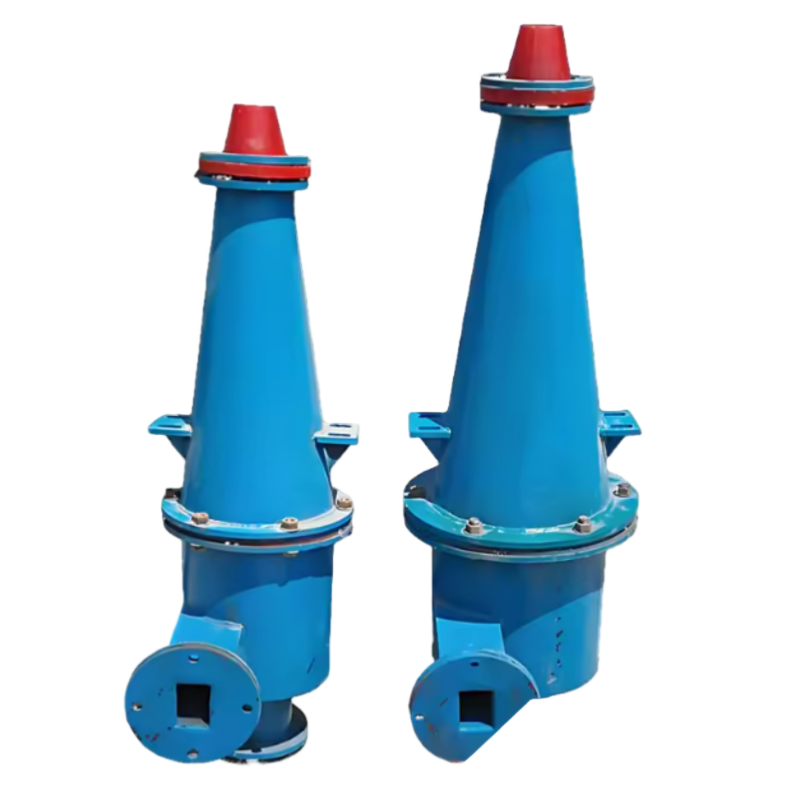
Reformatted Full Content:
Polyurethane vs Ceramic Hydrocyclone Liners: Which Material Delivers Longer Service Life?
Choosing the right liner material for your hydrocyclone is one of the most critical decisions in mineral processing plant design. The liner directly determines equipment service life, maintenance frequency, classification efficiency, and ultimately, your total operating costs. Polyurethane and ceramic are the two most widely used liner materials in the industry today, but they serve fundamentally different applications.
Wear Resistance Comparison
Ceramic liners provide significantly better wear resistance than polyurethane liners in severe abrasive applications involving hard particles such as quartz, iron ore, and silica. Ceramic liners offer extremely high hardness (Mohs hardness up to 9.1 for 99.7% Al₂O₃) and excellent resistance to sliding abrasion and high-velocity erosion.
However, polyurethane liners provide superior impact absorption, flexibility, and ease of installation. They can deform or tear under high-stress impact but offer excellent value in moderate abrasion applications.
| Performance Metric | Polyurethane | Alumina Ceramic | Silicon Carbide |
|---|---|---|---|
| Hardness | 85-95 Shore A | Mohs 8.7-9.1 | Mohs 9.5 |
| Wear Resistance | 1× | 2-4× | 5-8× |
| Impact Resistance | Excellent | Poor | Poor |
| Typical Life | 6-12 months | 12-24 months | 24-48 months |
Ore Abrasiveness Impact
Ore abrasiveness index (Ai) is the primary factor for liner material selection. When Ai > 1.0, ceramic liners show the greatest service life advantage.
| Ore Type | Ai Value | Polyurethane Life | Ceramic Life | Recommendation |
|---|---|---|---|---|
| Gold Ore | 0.3-0.6 | 8-14 months | 16-28 months | Polyurethane |
| Copper Ore | 0.5-1.2 | 4-10 months | 10-24 months | Alumina |
| Iron Ore | 0.8-1.8 | 2-6 months | 8-18 months | Silicon Carbide |
| Silica Sand | 1.2-2.5 | 1-3 months | 4-10 months | Silicon Carbide |
Operating Pressure Impact
For every 1 kg/cm² increase in feed pressure, polyurethane liner wear increases by 20-30%, while ceramic liner wear increases by only 10-15%. Ceramic liners maintain their advantage under high-pressure conditions.
Total Cost Comparison
| Cost Item | Polyurethane | Alumina Ceramic | Silicon Carbide |
|---|---|---|---|
| Per Unit Price | $500-2,500 | $2,000-8,000 | $5,000-15,000 |
| Price Multiple | 1× | 2-4× | 5-8× |
| Life in High Abrasion | 3-6 months | 9-18 months | 24-60 months |
| 5-Year Replacements | 10-20 times | 3-6 times | 1-2 times |
Temperature Factor
Polyurethane liner life can differ by over 30% between summer and winter. In northern mines, winter temperatures (5-10°C) increase wear rates by 30-50%. Ceramic liners are far less affected by temperature.
Selection Decision Matrix
| Ore Characteristics | Polyurethane | Ceramic | Recommendation |
|---|---|---|---|
| Ai < 0.5 | ★★★★★ | ★★ | Polyurethane |
| Ai 0.5-0.8 | ★★★★ | ★★★ | Polyurethane |
| Ai 0.8-1.2 | ★★★ | ★★★★ | Compare both |
| Ai > 1.2 | ★★ | ★★★★★ | Silicon Carbide |
| Coarse particle impact | ★★★★★ | ★★ | Polyurethane |
| Feed pressure > 4 kg/cm² | ★★ | ★★★★★ | Ceramic |
Composite Liners: Best of Both Worlds
Ceramic-polyurethane composite liners combine the extreme hardness of ceramic with the impact absorption of polyurethane. This design philosophy: let ceramic "handle the wear," let polyurethane "handle the impact." Composite liners are the fastest-growing segment of the market.
Why HUATAO
HUATAO specializes in manufacturing high-performance hydrocyclone liners in polyurethane, alumina ceramic, silicon carbide, and composite configurations. We help customers make the right material choice based on their specific ore type, operating conditions, and economic goals.
Real-World Results:
Iron ore: Rubber liners (45 days) → Polyurethane (142 days) → 3.1× improvement
Copper ore: Polyurethane (3 months) → Alumina ceramic (14 months) → 4.7× improvement
Silica sand: Polyurethane (1 month) → Silicon carbide (18 months) → 18× improvement
Contact Us
Annie Lu | HUATAO Group
Email: annie.lu@huataogroup.com
Phone / WhatsApp: +86 180 3242 2676
Website: www.tufflexscreen.com
Related Articles
Related Products
Related Technical Guides
Hydrocyclone Selection For Mineral Processing Full Engineering Guide
How Do I Calculate Hydrocyclone Capacity For Mineral Processing
What Size Hydrocyclone Do I Need For My Mineral Processing Plant
Why More Mining Plants Are Switching To Polyurethane Hydrocyclone Parts
Related Buyer Guides
Where Can I Find Reliable Hydrocyclone Suppliers In China For Mining And Mineral Processing
Where Can I Find Reliable Mining Wear Parts Suppliers In China
How To Solve Common Problems For Screening Process And Why Choose HUATAO Polyurethane Screen Panels
Related Comparison Articles
Polyurethane Screen Panels Vs Rubber Screen Panels Which Is Better
Hydrocyclone Vs Vibrating Screen Which Classification Solution Is Better For Mineral Processing
Contact Us
Annie Lu | HUATAO Group
Email: annie.lu@huataogroup.com
Phone / WhatsApp: +86 180 3242 2676
Website: www.tufflexscreen.com
We warmly welcome customers from around the world to contact us and establish mutually beneficial partnerships.
can not be empty
can not be empty

HUATAO GROUP - SCREENS
ADD : No.298 Zhonghua North Street, Shijiazhuang 050000 China.
TEL : +86 0311 80690567
EMAIL :market@huataogroup.com
Web: www.tufflexscreen.com
 WhatsApp & WeChat : +86 18033763037